
What Causes Climate Change? 17 Clear Insights into the Forces Shaping Our Planet
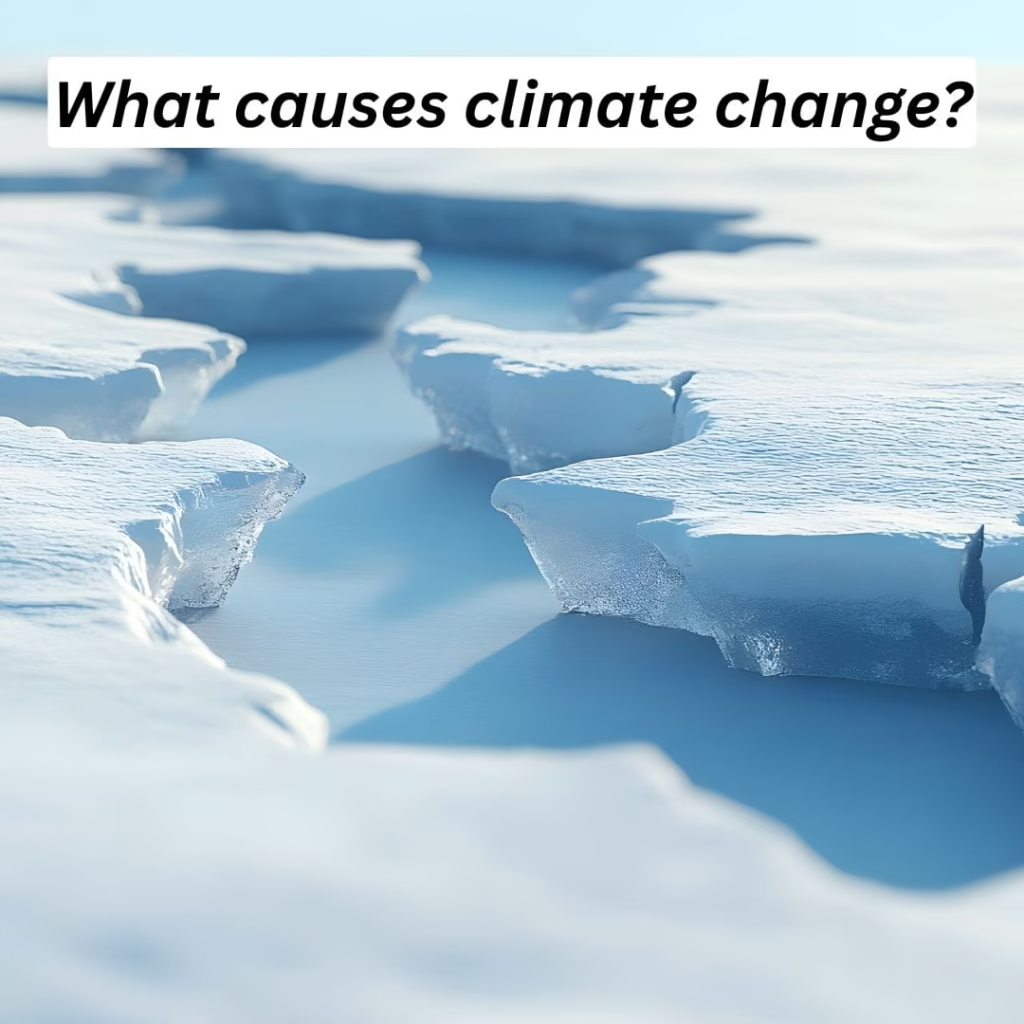
Climate change is one of the most discussed and researched topics of the modern era, yet many people still ask a fundamental question: what causes climate change? Understanding the driving forces behind climate change is essential for making informed decisions, shaping policies, and adopting sustainable lifestyles. Climate change is not the result of a single factor; instead, it emerges from a complex interaction of natural processes and human activities that influence Earth’s atmosphere, oceans, and ecosystems.
In this in-depth article, we will explore what causes climate change from every major angle—natural cycles, human-induced emissions, land-use changes, industrial development, and feedback mechanisms within the climate system. By the end, you will have a clear, science-based understanding of what causes climate change and why addressing these causes matters for a positive and resilient future.
READ MORE: How Do Time Zones Work?
Understanding Climate Change at Its Core
Climate change refers to long-term shifts in temperature, precipitation patterns, wind systems, and other aspects of Earth’s climate. While Earth’s climate has always changed over geological time, the current rate and scale of change are unprecedented in human history. To grasp what causes climate change, we must first understand how the climate system works and what factors can disrupt its balance.
The Climate System Explained
Earth’s climate system is made up of several interconnected components:
- The atmosphere
- The hydrosphere (oceans, rivers, lakes)
- The cryosphere (ice caps, glaciers, snow)
- The lithosphere (land surface)
- The biosphere (living organisms)
Energy from the Sun drives this system. When this energy balance is altered—either by natural factors or human activities—the result is climate change. Understanding what causes climate change means examining how each of these components is influenced over time.
The Greenhouse Effect: A Central Mechanism
One of the most important concepts in understanding what causes climate change is the greenhouse effect. This natural process keeps Earth warm enough to support life.
How the Greenhouse Effect Works
Solar radiation reaches Earth’s surface, where it is absorbed and then re-emitted as heat. Greenhouse gases in the atmosphere trap some of this heat, preventing it from escaping into space. This process maintains a stable global temperature.
However, when greenhouse gas concentrations increase significantly, more heat is trapped, leading to global warming. This enhanced greenhouse effect is a primary explanation for what causes climate change today.
Key Greenhouse Gases
Several gases contribute to this effect:
- Carbon dioxide (CO₂)
- Methane (CH₄)
- Nitrous oxide (N₂O)
- Water vapor
- Fluorinated gases
Human activities have dramatically increased the concentration of these gases, intensifying the greenhouse effect and altering Earth’s climate.
Human Activities and Climate Change
When scientists discuss what causes climate change, human activities are often identified as the dominant driver of recent changes. Since the Industrial Revolution, human influence on the climate has grown rapidly.
Burning Fossil Fuels
The combustion of coal, oil, and natural gas for electricity, transportation, and industry is the largest contributor to greenhouse gas emissions.
Why Fossil Fuels Matter
Fossil fuels contain carbon that has been stored underground for millions of years. When burned, this carbon is released into the atmosphere as carbon dioxide. This process significantly increases atmospheric CO₂ levels, making fossil fuel use central to what causes climate change in the modern world.
Industrial Processes
Manufacturing industries release greenhouse gases through chemical reactions, energy use, and waste production.
Cement Production as an Example
Cement manufacturing alone accounts for a notable percentage of global CO₂ emissions. The chemical process of turning limestone into cement releases carbon dioxide, contributing directly to climate change.
Deforestation and Land-Use Change
Another critical factor in understanding what causes climate change is how humans alter land surfaces.
Role of Forests in Climate Regulation
Forests act as carbon sinks, absorbing carbon dioxide from the atmosphere through photosynthesis. When forests are cut down or burned, this stored carbon is released back into the air.
Agricultural Expansion
Large-scale agriculture often involves clearing forests and grasslands. This not only releases carbon but also reduces the land’s capacity to absorb future emissions, reinforcing the processes behind what causes climate change.
Agriculture and Livestock Emissions
Agriculture plays a significant role in what causes climate change, particularly through methane and nitrous oxide emissions.
Methane from Livestock
Cattle and other ruminant animals produce methane during digestion. Methane is a powerful greenhouse gas, with a much higher heat-trapping ability than carbon dioxide over short time periods.
Fertilizer Use
Synthetic fertilizers release nitrous oxide when applied to soils. This gas has a long atmospheric lifetime and contributes significantly to global warming.
Transportation and Urbanization
Modern transportation systems are another major contributor to what causes climate change.
Emissions from Vehicles
Cars, trucks, ships, and airplanes rely heavily on fossil fuels. The cumulative emissions from global transportation networks add substantially to atmospheric greenhouse gas concentrations.
Urban Heat Islands
Urban areas tend to absorb and retain more heat due to concrete, asphalt, and reduced vegetation. This phenomenon amplifies local warming and contributes indirectly to broader climate trends.
Energy Production and Electricity Generation
Electricity generation is deeply connected to what causes climate change, especially in regions dependent on coal-fired power plants.
Coal and Climate Impact
Coal is the most carbon-intensive fossil fuel. Power plants that burn coal release large quantities of carbon dioxide and other pollutants, making energy production a key focus when addressing climate change.
Renewable Energy as a Contrast
Renewable sources like wind, solar, and hydropower generate electricity with minimal greenhouse gas emissions, highlighting how energy choices influence what causes climate change.
Natural Causes of Climate Change
While human activities dominate current trends, natural factors have also influenced Earth’s climate throughout history. To fully understand what causes climate change, these natural drivers must be acknowledged.
Volcanic Eruptions
Volcanoes can release large amounts of ash and sulfur dioxide into the atmosphere. These particles can temporarily cool the planet by reflecting sunlight away from Earth.
Solar Variability
The Sun’s energy output fluctuates slightly over time. These variations can influence climate patterns, although their impact is much smaller than that of human-induced greenhouse gas emissions today.
Earth’s Orbital Changes
Long-term climate changes have also been driven by variations in Earth’s orbit, known as Milankovitch cycles.
How Orbital Changes Affect Climate
Changes in Earth’s tilt, orbit shape, and wobble alter the distribution of solar energy across the planet. These cycles have contributed to past ice ages and warming periods, forming part of the broader explanation of what causes climate change over geological timescales.
Ocean Processes and Climate Change
The oceans play a central role in regulating Earth’s climate, making them essential to understanding what causes climate change.
Heat Absorption by Oceans
Oceans absorb more than 90% of the excess heat generated by greenhouse gas emissions. This helps moderate atmospheric warming but leads to ocean warming and thermal expansion.
Ocean Acidification
As oceans absorb carbon dioxide, their pH decreases, leading to acidification. While this process does not directly cause warming, it is a significant consequence tied to the same emissions responsible for climate change.
Feedback Loops in the Climate System
Feedback mechanisms can amplify or dampen the effects of climate change. These loops are crucial to understanding what causes climate change to accelerate over time.
Ice-Albedo Feedback
Ice and snow reflect sunlight. As global temperatures rise, ice melts, reducing reflectivity and causing more heat absorption, which leads to further warming.
Water Vapor Feedback
Warmer air holds more moisture. Since water vapor is a greenhouse gas, increased humidity can intensify warming, reinforcing the cycle behind what causes climate change.
Population Growth and Consumption Patterns
Human population growth and consumption habits also influence what causes climate change.
Increased Resource Demand
More people mean higher demand for energy, food, water, and goods. This demand often leads to increased emissions and environmental degradation.
Lifestyle Choices
Diet, transportation preferences, and energy use at the individual level collectively shape global emission trends, demonstrating how daily choices connect to what causes climate change.
Technology and Innovation
Technology can both contribute to and mitigate climate change.
Emission-Intensive Technologies
Certain technologies rely heavily on fossil fuels and resource extraction, increasing emissions.
Climate-Friendly Innovations
Advances in clean energy, energy efficiency, and carbon capture show how technology can address the root causes of climate change rather than worsen them.
Economic Systems and Climate Change
Economic growth models based on continuous consumption and fossil fuel use play a role in what causes climate change.
Global Trade and Emissions
International trade increases transportation emissions and shifts environmental impacts across borders, complicating global efforts to reduce climate change.
Why Understanding the Causes Matters
Knowing what causes climate change is essential for effective action. Without understanding the root causes, solutions remain fragmented and insufficient.
Informing Policy Decisions
Governments rely on scientific explanations of climate change causes to develop regulations, incentives, and international agreements.
Empowering Individual Action
When people understand what causes climate change, they are more likely to adopt sustainable behaviors and support climate-friendly initiatives.
The Path Forward
While the causes of climate change are complex, they are not insurmountable. Addressing what causes climate change requires cooperation among governments, industries, communities, and individuals.
Reducing emissions, protecting ecosystems, transitioning to renewable energy, and rethinking consumption patterns can all help stabilize the climate. Understanding the causes is the first step toward meaningful, positive change.
Frequently Asked Questions (FAQ)
What is the main cause of climate change today?
The primary cause of climate change today is the increase in greenhouse gas emissions from human activities, especially the burning of fossil fuels for energy and transportation.
Are natural factors still influencing climate change?
Yes, natural factors like volcanic eruptions and solar variations still influence climate patterns. However, their impact is much smaller compared to human-induced factors in the current era.
How does deforestation contribute to climate change?
Deforestation releases stored carbon dioxide into the atmosphere and reduces the planet’s ability to absorb future emissions, making climate change more severe.
Can climate change be reversed?
While some impacts are long-lasting, reducing emissions and enhancing carbon removal can slow and potentially stabilize climate change over time.
Why is understanding climate change important?
Understanding the causes helps policymakers, businesses, and individuals make informed decisions that reduce environmental impact and promote sustainability.