
When Is Allergy Season? A Complete Guide to Understanding Seasonal Allergies
Introduction
Many people look forward to warmer temperatures, blooming flowers, and outdoor activities. However, for millions of individuals, certain times of the year bring sneezing, itchy eyes, congestion, and other uncomfortable symptoms. These recurring problems are often linked to seasonal allergy triggers that appear during specific months of the year. Understanding when allergy season occurs can help people prepare, reduce exposure to allergens, and manage symptoms more effectively.
Seasonal allergy symptoms develop when the immune system reacts to substances such as pollen, mold spores, or other airborne particles. Although these substances are generally harmless, the body mistakenly identifies them as threats and releases chemicals like histamine. This response leads to the familiar symptoms associated with an allergy reaction.
One of the most common questions people ask is, “When is allergy season?” The answer depends on several factors, including geographic location, climate, weather patterns, and the specific allergen involved. In many regions, allergy season can begin as early as late winter and continue well into autumn.
This guide explains the different seasonal triggers, how weather affects allergy symptoms, and what steps can be taken to reduce discomfort throughout the year.
What Is a Seasonal Allergy?
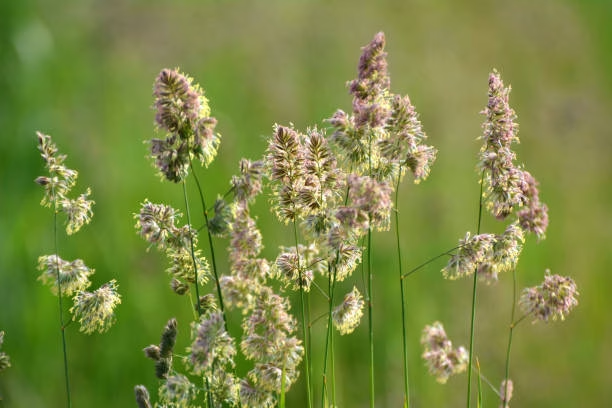
A seasonal allergy is an immune system response triggered by allergens that appear during particular times of the year. Unlike food allergies or pet allergies, which can occur year-round, a seasonal allergy is linked to environmental factors such as pollen and mold.
When someone with an allergy inhales pollen or other airborne allergens, their immune system releases histamine and other inflammatory chemicals. This reaction can cause symptoms such as:
- Sneezing
- Runny nose
- Nasal congestion
- Itchy eyes
- Watery eyes
- Coughing
- Postnasal drip
- Fatigue
The severity of an allergy can vary significantly from person to person. Some individuals experience only mild discomfort, while others face symptoms that interfere with work, school, sleep, and daily activities.
Understanding Allergy Seasons Throughout the Year
The timing of allergy season depends largely on what plants are releasing pollen and when environmental conditions support mold growth. Different allergens dominate different seasons.
Generally, there are three major seasonal periods associated with allergy symptoms:
- Spring
- Summer
- Fall
In some regions, winter can also contribute to an allergy problem due to indoor allergens.
Spring Allergy Season
Spring is often considered the peak allergy season in many parts of the world. As temperatures begin to rise, trees release large amounts of pollen into the air.
When Does Spring Allergy Season Begin?
Spring allergy season may start as early as February in warmer climates. In colder regions, symptoms may not appear until March or April.
Tree pollen is usually the primary cause of a spring allergy. Common pollen-producing trees include:
- Oak
- Birch
- Maple
- Elm
- Cedar
- Ash
As these trees begin their reproductive cycles, they release microscopic pollen grains that can travel long distances through the air.
Common Symptoms During Spring
A spring allergy often causes:
- Frequent sneezing
- Itchy throat
- Nasal congestion
- Red eyes
- Increased mucus production
People with asthma may notice that an allergy trigger worsens breathing difficulties during this period.
Why Spring Allergies Can Be Severe
Spring conditions often create ideal environments for pollen production. Wind carries pollen over large areas, increasing exposure levels. Even individuals who do not live near certain trees may experience symptoms because pollen can travel many miles.
As a result, spring is frequently the most challenging period for people with a seasonal allergy.
Summer Allergy Season
Many people assume that allergy season ends when spring flowers fade. However, summer introduces a new set of allergens that can continue causing symptoms.
Grass Pollen and Summer Allergies
Grass pollen is a leading cause of summer allergy symptoms. Common grasses that release pollen include:
Grass pollen levels often peak between late spring and midsummer.
Summer Weather and Allergy Symptoms
Hot weather can influence an allergy in several ways:
- Increased pollen production
- Longer pollen seasons
- Greater outdoor exposure
- Higher humidity levels
Humidity can also encourage mold growth, which may worsen an allergy response in sensitive individuals.
Outdoor Activities and Exposure
Many people spend more time outdoors during summer. Activities such as gardening, hiking, sports, and picnics increase contact with airborne allergens.
For someone with a seasonal allergy, prolonged outdoor exposure can intensify symptoms and make management more difficult.
Fall Allergy Season
Fall brings cooler temperatures and colorful foliage, but it also introduces one of the most notorious allergy triggers: ragweed.
Ragweed and Fall Allergies
Ragweed is responsible for a significant number of seasonal allergy cases. A single ragweed plant can release billions of pollen grains during a season.
Ragweed pollen typically appears in late summer and remains active until the first hard frost.
Why Ragweed Is So Problematic
Several factors contribute to ragweed-related allergy issues:
- Extremely high pollen production
- Long pollen travel distances
- Extended pollination periods
Because ragweed pollen can travel hundreds of miles, people may experience symptoms even if no ragweed plants are nearby.
Fall Mold Allergies
Autumn also creates favorable conditions for mold growth. Falling leaves accumulate moisture and become breeding grounds for mold spores.
A mold-related allergy can cause symptoms similar to pollen allergies, including:
- Sneezing
- Congestion
- Eye irritation
- Coughing
Can Allergy Season Occur in Winter?
Although winter is generally associated with lower outdoor pollen levels, an allergy can still occur during this season.
Indoor Allergens
During colder months, people spend more time indoors. This increased indoor exposure can worsen reactions to:
- Dust mites
- Pet dander
- Indoor mold
- Cockroach allergens
An indoor allergy often becomes more noticeable when homes are sealed tightly to conserve heat.
Mild Climates and Winter Pollen
In some regions with warmer winters, certain plants continue releasing pollen. As a result, allergy symptoms may persist year-round.
Climate variations play a significant role in determining whether winter remains relatively symptom-free or continues to trigger an allergy response.
How Climate Affects Allergy Season
Climate is one of the most important factors influencing allergy patterns.
Warmer Temperatures
Higher temperatures can:
- Extend growing seasons
- Increase pollen production
- Cause earlier flowering
- Lengthen exposure periods
As temperatures rise, many experts have observed longer allergy seasons than in previous decades.
Rainfall
Rain can temporarily reduce airborne pollen by washing particles from the air. However, rainfall can also encourage plant growth and mold development, potentially increasing future allergy exposure.
Wind
Windy conditions often worsen an allergy because pollen becomes more widely dispersed. Strong winds can carry allergens over long distances and increase airborne concentrations.
Regional Differences in Allergy Season
Not everyone experiences allergy season at the same time.
Northern Regions
In northern climates, colder winters delay plant growth. Consequently, allergy season often begins later in spring.
Southern Regions
Warmer southern areas may experience earlier pollen production, causing allergy symptoms to start sooner.
Coastal Areas
Coastal regions sometimes have lower pollen levels due to ocean influences, although local vegetation can still trigger an allergy.
Urban Areas
Cities can create unique conditions that affect an allergy. Pollution may interact with pollen, making symptoms more severe for some individuals.
READ: Why Do Seasons Change?
Common Seasonal Allergy Triggers
Several allergens contribute to seasonal allergy symptoms.
Tree Pollen
Tree pollen is most common during spring and is a major source of allergy complaints.
Grass Pollen
Grass pollen dominates late spring and summer, causing widespread allergy reactions.
Weed Pollen
Weeds such as ragweed become primary allergy triggers during late summer and fall.
Mold Spores
Mold can contribute to an allergy throughout much of the year, especially in damp environments.
Signs That You Have Seasonal Allergies
Many people confuse a seasonal allergy with a common cold.
Allergy Symptoms
Typical signs include:
- Sneezing
- Clear nasal discharge
- Itchy eyes
- Persistent symptoms
- Seasonal recurrence
Cold Symptoms
Colds often involve:
- Fever
- Body aches
- Thick mucus
- Symptoms lasting only a few weeks
A recurring seasonal pattern strongly suggests an allergy rather than an infection.
How Doctors Diagnose Seasonal Allergies
Healthcare professionals use several methods to identify an allergy.
Medical History
Doctors often review:
- Symptom timing
- Environmental exposure
- Family history
Patterns can reveal whether an allergy is linked to specific seasons.
Skin Testing
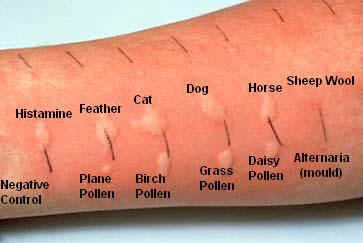
Skin-prick testing is a common way to identify an allergy trigger.
Blood Testing
Blood tests can measure immune responses associated with an allergy.
Managing Seasonal Allergies
Although seasonal allergy symptoms can be frustrating, several strategies help reduce discomfort.
Monitor Pollen Counts
Checking daily pollen forecasts allows individuals with an allergy to plan outdoor activities more effectively.
Keep Windows Closed
Closing windows during high-pollen periods can reduce indoor allergy exposure.
Shower After Being Outdoors
Pollen often collects on hair, skin, and clothing. Washing after outdoor activities helps minimize allergy symptoms.
Use Air Filters
High-efficiency filters can capture airborne particles associated with an allergy.
Medications for Seasonal Allergies
Various medications help control an allergy.
Antihistamines
Antihistamines reduce histamine activity and relieve many allergy symptoms.
Nasal Sprays
Nasal sprays can decrease inflammation caused by an allergy.
Decongestants
Decongestants help relieve congestion associated with an allergy, although long-term use may not be appropriate.
Allergy Immunotherapy
Immunotherapy gradually trains the immune system to tolerate an allergy trigger.
Natural Approaches to Allergy Relief
Some individuals complement traditional treatments with natural strategies.
Saline Nasal Rinses
Saline rinses help remove allergens that contribute to an allergy response.
Indoor Humidity Control
Maintaining appropriate humidity levels may reduce mold-related allergy problems.
Limiting Outdoor Exposure
Reducing outdoor activities during peak pollen periods can lessen an allergy burden.
Children and Seasonal Allergies
A seasonal allergy can affect children as well as adults.
Symptoms in children may include:
- Frequent nose rubbing
- Sneezing
- Congestion
- Difficulty concentrating
- Sleep disturbances
Early recognition allows parents to manage an allergy more effectively and improve a child’s comfort.
When to Seek Medical Attention
Most seasonal allergy symptoms can be managed successfully. However, medical evaluation may be necessary if:
- Symptoms are severe
- Sleep is disrupted
- Asthma worsens
- Over-the-counter treatments are ineffective
A healthcare professional can develop a personalized plan for managing an allergy throughout the year.
Conclusion
So, when is allergy season? The answer depends on the specific allergen, local climate, and geographic location. Spring is typically associated with tree pollen, summer brings grass pollen, and fall is dominated by ragweed and mold spores. In some cases, an indoor allergy may continue causing symptoms during winter as well.
Understanding seasonal patterns can make a significant difference in symptom management. By monitoring pollen levels, reducing exposure, using appropriate treatments, and seeking medical guidance when necessary, individuals can better control an allergy and enjoy outdoor activities throughout the year.
Although allergy season may seem unavoidable, preparation and awareness provide powerful tools for minimizing discomfort. Knowing what triggers an allergy and when those triggers are most active allows people to take proactive steps toward healthier and more comfortable living.