
9 Types of Safety Gloves Used in Chemistry Labs: Complete Protection Guide
Types of Safety Gloves Used in Chemistry
Working with chemicals requires careful attention to personal protection. In laboratories, research facilities, educational institutions, and industrial environments, gloves serve as one of the most important barriers between hazardous substances and the skin. Choosing the correct glove is essential because different chemicals can react differently with glove materials. A glove that protects against one substance may provide little protection against another.
The primary purpose of chemical-resistant gloves is to reduce the risk of exposure to harmful substances while supporting a high level of safety in laboratory operations. Understanding the various glove materials, their strengths, and their limitations helps laboratory personnel make informed decisions.
This article explains the main types of gloves used in chemistry, their applications, advantages, and limitations, while highlighting the role of safety in chemical handling.
Why Gloves Are Important in Chemistry
Chemical exposure can occur through direct skin contact, accidental splashes, contaminated surfaces, or improper handling techniques. Some chemicals cause immediate irritation, while others may produce long-term health effects after repeated exposure.
Gloves provide a protective layer that helps maintain safety when working with acids, bases, solvents, biological samples, and other hazardous materials. However, no glove offers universal protection against every chemical. Therefore, selecting the correct glove material is a critical aspect of laboratory safety.
READ: Conjugate Acid-Base Pair
When evaluating gloves for chemical work, professionals often consider:
- Chemical resistance
- Permeation rate
- Breakthrough time
- Flexibility
- Comfort
- Durability
- Cost
- Required level of safety
Understanding these factors makes it easier to choose appropriate hand protection.
Factors That Affect Glove Selection
Before discussing specific glove types, it is important to understand what influences glove performance.
Chemical Compatibility
Different glove materials resist different chemicals. For example, a glove that performs well against acids may not perform well against organic solvents. Reviewing compatibility charts helps maintain safety and reduce exposure risks.
Duration of Exposure
Short-term contact may require different protection than prolonged handling. Longer exposure times often demand gloves with greater resistance.
Concentration of Chemicals
Highly concentrated chemicals can degrade glove materials faster than diluted solutions. Proper selection improves safety during laboratory procedures.
Physical Hazards
In addition to chemical hazards, workers may encounter cuts, punctures, abrasion, or extreme temperatures. Some gloves provide protection against multiple risks.
Comfort and Dexterity
Chemistry work often involves precise measurements and delicate instruments. Gloves should provide adequate protection without significantly reducing dexterity.
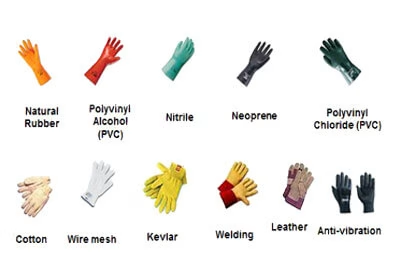
Nitrile Gloves
Nitrile gloves are among the most widely used gloves in chemistry laboratories. Made from synthetic rubber, they offer excellent resistance to many chemicals and are often considered a reliable choice for laboratory safety.
Advantages of Nitrile Gloves
- Strong resistance to oils and many solvents
- Good puncture resistance
- Latex-free material
- Excellent flexibility
- Suitable for laboratory and industrial use
Nitrile gloves are commonly used when handling:
- Organic solvents
- Laboratory reagents
- Biological samples
- Cleaning agents
Because of their versatility, nitrile gloves are frequently selected as the standard option for general chemical safety.
Limitations
Although nitrile performs well against many substances, it is not resistant to every chemical. Certain aggressive solvents may penetrate the material over time. Users should always consult compatibility data before use.
Latex Gloves
Latex gloves are manufactured from natural rubber and have been used in laboratories for decades. They provide excellent comfort and tactile sensitivity.
Advantages of Latex Gloves
- High elasticity
- Comfortable fit
- Good dexterity
- Effective barrier against many water-based substances
These characteristics make latex gloves suitable for procedures requiring precision and careful handling.
Limitations
One major concern is latex allergy. Some individuals develop allergic reactions after exposure to natural rubber proteins. For this reason, many facilities have switched to nitrile alternatives to improve workplace safety.
Latex gloves also have limited resistance to certain organic solvents and petroleum-based products.
Neoprene Gloves
Neoprene gloves are made from synthetic rubber and provide broad chemical resistance. They are commonly used in environments where workers handle corrosive substances.
Advantages of Neoprene Gloves
- Good resistance to acids
- Effective protection against bases
- Flexible and durable
- Resistant to weathering and ozone
Neoprene gloves support laboratory safety when working with chemicals that may degrade other glove materials.
Common Applications
These gloves are frequently used for:
- Acid handling
- Chemical manufacturing
- Laboratory cleaning procedures
- Industrial chemical processing
Limitations
While neoprene offers excellent protection against many chemicals, it may not be the best option for every solvent. Compatibility testing remains essential.
Butyl Rubber Gloves
Butyl rubber gloves are highly specialized gloves designed for handling highly hazardous chemicals.
Advantages of Butyl Rubber Gloves
- Excellent resistance to ketones
- Effective protection against esters
- Superior resistance to gas permeation
- Flexible even at low temperatures
Because of these characteristics, butyl gloves play a significant role in advanced chemical safety programs.
Common Uses
Butyl gloves are often selected for handling:
- Methyl ethyl ketone
- Acetone
- Hazardous laboratory solvents
- Toxic gases
Limitations
These gloves are generally more expensive than standard nitrile gloves. They may also provide less resistance to certain hydrocarbons.
READ: What is Organic Chemistry?
Viton Gloves
Viton gloves are made from a fluorocarbon-based material known for exceptional chemical resistance.
Advantages of Viton Gloves
- Outstanding resistance to chlorinated solvents
- Excellent resistance to aromatic hydrocarbons
- Strong durability
- Long breakthrough times
Many professionals rely on Viton gloves when maximum chemical safety is required.
Common Applications
Viton gloves are frequently used in:
- Chemical manufacturing
- Advanced research laboratories
- Hazardous solvent handling
- Petrochemical operations
Limitations
The primary disadvantage is cost. Viton gloves are among the most expensive chemical-resistant gloves available.
Polyvinyl Alcohol (PVA) Gloves
PVA gloves provide excellent resistance to many organic solvents.
Advantages of PVA Gloves
- Strong resistance to aromatic solvents
- Effective barrier against chlorinated solvents
- Durable material
These gloves contribute to safety when handling certain aggressive chemicals that may penetrate other glove materials.
Limitations
PVA gloves should not be used in wet environments because water can damage the material. This limitation restricts their use in some laboratory settings.
PVC Gloves
PVC gloves are manufactured from polyvinyl chloride and are widely used in industrial environments.
Advantages of PVC Gloves
- Affordable
- Good resistance to acids and bases
- Resistant to many salts
- Durable construction
PVC gloves help maintain safety during routine chemical handling tasks.
Common Applications
Workers often use PVC gloves for:
- Cleaning operations
- Acid handling
- Chemical transport
- Maintenance activities
Limitations
PVC gloves generally provide less flexibility than nitrile or latex gloves and may not perform well against many organic solvents.
Silver Shield Gloves
Silver Shield gloves are multilayer laminate gloves designed for protection against a broad range of hazardous chemicals.
Advantages of Silver Shield Gloves
- Wide chemical resistance
- Protection against numerous solvents
- High-performance barrier technology
These gloves are frequently chosen when laboratory safety requirements involve unknown or mixed chemical exposures.
Common Uses
Silver Shield gloves are useful for:
- Emergency response
- Hazardous chemical handling
- Specialized laboratory work
Limitations
The material is relatively stiff compared with other glove types, which can reduce dexterity.
Cotton Gloves
Cotton gloves are not designed for direct chemical protection but serve specific laboratory purposes.
Advantages
- Comfortable
- Absorb perspiration
- Can be worn under chemical-resistant gloves
Limitations
- No meaningful chemical resistance
- Unsuitable as primary protective gloves
Cotton gloves improve comfort and may indirectly contribute to safety when used as glove liners.
Disposable Gloves Versus Reusable Gloves
Chemistry laboratories often use both disposable and reusable gloves.
Disposable Gloves
Disposable gloves are intended for short-term use and are commonly made from nitrile, latex, or vinyl materials.
Benefits include:
- Convenience
- Reduced contamination risk
- Easy replacement
- Improved safety during routine procedures
Reusable Gloves
Reusable gloves are thicker and designed for extended exposure.
Benefits include:
- Greater durability
- Enhanced chemical resistance
- Long-term cost effectiveness
- Better safety for demanding applications
The choice depends on the nature of the work and the chemicals involved.
Chemical Permeation and Breakthrough Time
One of the most important concepts in glove selection is chemical permeation.
Permeation occurs when a chemical passes through a glove material at the molecular level. Even if the glove appears intact, chemicals may gradually penetrate it.
Breakthrough time refers to the period required for a chemical to pass through the glove material and become detectable on the inside surface.
Understanding permeation data is essential for laboratory safety. A glove that resists a chemical for several hours may be suitable for one task but inadequate for prolonged exposure.
Proper Use of Chemical Gloves
Even the best gloves cannot provide protection if used incorrectly.
Inspect Gloves Before Use
Always check for:
- Tears
- Punctures
- Cracks
- Discoloration
Damaged gloves compromise safety and should be replaced immediately.
Remove Gloves Correctly
Improper glove removal can transfer contaminants to the skin. Workers should follow approved procedures to avoid accidental exposure.
Replace Gloves When Necessary
Gloves should be changed whenever they become contaminated, damaged, or degraded.
Wash Hands After Removal
Handwashing remains an important component of chemical safety even after glove use.
Common Mistakes in Glove Selection
Many laboratory incidents result from incorrect glove choices.
Assuming One Glove Works for Everything
No glove material protects against all chemicals. This misconception can reduce safety and increase exposure risk.
Ignoring Compatibility Charts
Manufacturers provide detailed chemical resistance data. Failure to review this information can lead to glove failure.
Using Damaged Gloves
Small punctures may go unnoticed but can allow chemicals to reach the skin.
Wearing Gloves Too Long
Extended use can increase permeation risk. Regular replacement supports safety and compliance with laboratory procedures.
Glove Standards and Testing
Several organizations establish standards for glove performance.
Important testing categories include:
- Chemical resistance
- Permeation resistance
- Puncture resistance
- Tear resistance
- Tensile strength
Compliance with recognized standards helps laboratories maintain consistent safety practices.
Employers should ensure that glove selection aligns with workplace regulations and hazard assessments.
Building an Effective Hand Protection Program
A successful hand protection program involves more than simply providing gloves.
Key elements include:
- Hazard identification
- Chemical compatibility evaluation
- Employee training
- Routine glove inspection
- Proper storage
- Regular replacement schedules
- Continuous monitoring of safety performance
Training employees on glove limitations is particularly important because misuse can create a false sense of security.
Conclusion
Gloves are an essential component of chemical protection in laboratories and industrial settings. Different glove materials offer varying levels of resistance to acids, bases, solvents, and other hazardous substances. Nitrile gloves are widely used for general laboratory work, while neoprene, butyl rubber, Viton, PVA, PVC, and Silver Shield gloves provide specialized protection for specific chemical hazards.
Selecting the right glove requires careful consideration of chemical compatibility, exposure duration, concentration, and workplace requirements. By understanding the strengths and limitations of each glove type, laboratory personnel can improve safety, reduce exposure risks, and work more confidently with hazardous materials.
Ultimately, effective hand protection depends on informed glove selection, proper usage, routine inspection, and a strong commitment to safety in every aspect of chemical work.