
What Is Diabetes? 12 Essential Facts Everyone Should Know About Insulin and Blood Sugar
Diabetes is a chronic metabolic disorder that affects how the body processes glucose, which is the primary source of energy for cells. The condition develops when the body cannot produce enough or cannot use insulin effectively. As a result, glucose accumulates in the bloodstream, leading to high blood sugar levels that can damage various organs and tissues over time.
Millions of people around the world live with diabetes, making it one of the most common chronic diseases. Although diabetes can affect people of all ages, lifestyles, and backgrounds, understanding its causes, symptoms, and treatment options can help individuals manage the condition and reduce the risk of complications.
This article explains what diabetes is, why it occurs, its different types, symptoms, diagnosis, treatment, prevention, and the critical role of insulin in maintaining normal blood sugar levels.
Understanding Diabetes
To understand diabetes, it is important to know how the body uses glucose. After eating, carbohydrates are broken down into glucose, which enters the bloodstream. The pancreas then releases insulin, a hormone that helps glucose move from the blood into the body’s cells.
When the hormone functions properly, blood sugar levels remain within a healthy range. However, when the body does not produce enough or becomes resistant to insulin, glucose remains in the bloodstream instead of entering the cells. This leads to elevated blood sugar levels, which are the hallmark of diabetes.
Without adequate insulin activity, the body struggles to obtain the energy it needs, and long-term damage may occur in the heart, kidneys, eyes, nerves, and blood vessels.
The Role of Insulin in the Body
The hormone insulin is produced by specialized cells in the pancreas known as beta cells. Its primary function is to regulate blood glucose levels.
After a meal, blood sugar rises. In response, the pancreas releases insulin into the bloodstream. This hormone acts like a key that unlocks cells,increasing the number of GLUT proteins on the cell membrane of the cells, allowing glucose to enter and be used for energy. Excess glucose is stored in the liver and muscles for future use.
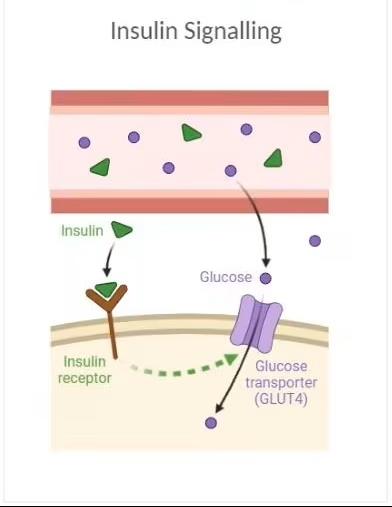
When insulin is absent, insufficient, or ineffective, glucose remains in the blood. Consequently, blood sugar levels increase, creating the conditions associated with diabetes.
Because of its central role in glucose regulation, insulin is one of the most important hormones in human metabolism.
Types of Diabetes
Diabetes is not a single disease. Several forms exist, each with distinct causes and characteristics.
Type 1 Diabetes
Type 1 diabetes is an autoimmune disorder. In this condition, the immune system mistakenly attacks and destroys the pancreatic beta cells that produce insulin.
As a result, people with Type 1 diabetes produce little or no insulin. They require lifelong insulin therapy to survive and maintain healthy blood sugar levels.
Type 1 diabetes often develops during childhood or adolescence, but it can occur at any age. The exact cause remains unknown, although genetic and environmental factors are believed to contribute.
Type 2 Diabetes
Type 2 diabetes is the most common form of diabetes. It occurs when the body becomes resistant to insulin or when the pancreas cannot produce enough insulin to meet the body’s needs.
Initially, the pancreas may compensate by producing more insulin. Over time, however, the beta cells may become unable to keep up with demand.
Risk factors for Type 2 diabetes include obesity, physical inactivity, poor dietary habits, family history, and increasing age. Unlike Type 1 diabetes, many cases of Type 2 diabetes can be prevented or delayed through healthy lifestyle choices.
Gestational Diabetes
Gestational diabetes develops during pregnancy and usually disappears after childbirth. Hormonal changes during pregnancy can interfere with insulin action, causing elevated blood sugar levels.
Women who develop gestational diabetes have a higher risk of developing Type 2 diabetes later in life. Proper monitoring and management help protect both the mother and the baby.
Prediabetes
Prediabetes is a condition in which blood sugar levels are higher than normal but not high enough to be classified as diabetes.
During prediabetes, the body often becomes resistant to insulin. Without intervention, many people with prediabetes eventually develop Type 2 diabetes.
Lifestyle changes can often reverse prediabetes and restore normal glucose regulation.
Causes of Diabetes
The causes of diabetes vary depending on the type.
Type 1 diabetes results from an autoimmune attack that destroys cells responsible for producing insulin. Scientists believe genetics and environmental triggers play a role.
Type 2 diabetes develops due to a combination of insulin resistance and inadequate production of the hormone. Common contributing factors include:
- Excess body weight
- Lack of physical activity
- Unhealthy diet
- Family history of diabetes
- High blood pressure
- Abnormal cholesterol levels
- Aging
Gestational diabetes arises because pregnancy hormones can reduce the effectiveness of insulin.
Regardless of the type, problems involving insulin remain central to the development of diabetes.
Symptoms of Diabetes
Diabetes symptoms may develop gradually or appear suddenly, depending on the type.
Common symptoms include:
- Increased thirst
- Frequent urination
- Excessive hunger
- Fatigue
- Blurred vision
- Slow-healing wounds
- Unexplained weight loss
- Frequent infections
- Tingling or numbness in the hands and feet
These symptoms occur because the body cannot properly use glucose without sufficient insulin activity.
In Type 1 diabetes, symptoms often appear rapidly. In Type 2 diabetes, symptoms may develop slowly over several years.
How Diabetes Is Diagnosed
Healthcare professionals use several tests to diagnose diabetes.
Fasting Blood Sugar Test
This test measures blood glucose after an overnight fast. Elevated levels may indicate diabetes.
A1C Test
The A1C test reflects average blood sugar levels over the previous two to three months. It is one of the most commonly used diagnostic tools.
Oral Glucose Tolerance Test
This test evaluates how effectively the body processes glucose after consuming a sugary drink.
Random Blood Sugar Test
A random blood sugar measurement can help identify diabetes when accompanied by characteristic symptoms.
Early diagnosis allows treatment to begin before serious complications develop.
Treatment of Diabetes
The treatment of diabetes focuses on maintaining healthy blood sugar levels and preventing complications.
Lifestyle Changes
Healthy habits are fundamental for diabetes management.
Important strategies include:
- Eating a balanced diet
- Maintaining a healthy weight
- Exercising regularly
- Monitoring blood sugar levels
- Avoiding tobacco use
- Limiting excessive alcohol consumption
These measures improve the body’s response to insulin and help control glucose levels.
Medications
People with Type 2 diabetes may require medications that improve insulin sensitivity, stimulate insulin production, or reduce glucose production by the liver.
Different medications are prescribed based on individual needs and health conditions.
Insulin Therapy
Many individuals with diabetes need insulin therapy.
People with Type 1 diabetes depend entirely on insulin injections or pumps because their bodies no longer produce the hormone.
Some people with advanced Type 2 diabetes also require insulin when other treatments are insufficient.
Modern insulin products are available in various forms, including rapid-acting, short-acting, intermediate-acting, and long-acting preparations.
Complications of Diabetes
Poorly controlled diabetes can lead to serious health problems.
Cardiovascular Disease
High blood sugar damages blood vessels and increases the risk of heart attacks, strokes, and other cardiovascular conditions.
Kidney Disease
The kidneys contain delicate filtering structures that can be damaged by prolonged high blood sugar levels.
READ: Homeostasis: Role of Osmoreceptors
Eye Problems
Diabetes can harm blood vessels in the retina, potentially leading to vision loss and blindness.
Nerve Damage
High glucose levels may damage nerves throughout the body, causing pain, numbness, or weakness.
Foot Complications
Reduced circulation and nerve damage increase the risk of foot ulcers and infections.
Maintaining healthy blood sugar levels with proper insulin function or therapy helps reduce these risks.
Preventing Type 2 Diabetes
Although Type 1 diabetes cannot currently be prevented, many cases of Type 2 diabetes can be avoided.
Prevention strategies include:
- Maintaining a healthy body weight
- Exercising regularly
- Eating nutrient-rich foods
- Limiting sugary beverages
- Managing stress
- Getting adequate sleep
- Having regular health checkups
These lifestyle habits improve the body’s sensitivity to insulin and support healthy glucose regulation.
Research consistently shows that modest weight loss and increased physical activity can significantly reduce the risk of developing Type 2 diabetes.
Living With Diabetes
Living with diabetes requires ongoing attention, but many people lead active and fulfilling lives.
Successful management involves understanding how food, exercise, stress, illness, and medications affect blood sugar levels.
People with diabetes often work closely with healthcare professionals, including physicians, dietitians, diabetes educators, and pharmacists.
Regular monitoring allows individuals to make informed decisions about diet, activity, and treatment. For those who use insulin, learning proper administration techniques is especially important.
Technology has also improved diabetes care. Continuous glucose monitors and advanced insulin pumps help many individuals achieve better blood sugar control and greater flexibility in daily life.
Advances in Diabetes Research
Scientists continue to explore new approaches to diabetes treatment and prevention.
Current research areas include:
- Artificial pancreas systems
- Improved insulin delivery methods
- Stem cell therapies
- Gene-based treatments
- Advanced glucose monitoring technologies
- Immunotherapies for Type 1 diabetes
These innovations aim to improve quality of life and reduce the burden of managing diabetes.
Researchers are also investigating ways to restore natural insulin production and prevent the immune system from attacking pancreatic cells.
The Importance of Early Detection
Early detection plays a crucial role in reducing the impact of diabetes.
Many individuals with Type 2 diabetes remain undiagnosed for years because symptoms may be mild or absent. During this time, elevated blood sugar can silently damage organs and tissues.
Routine screening is particularly important for people with risk factors such as obesity, family history, high blood pressure, or previous gestational diabetes.
Identifying problems with insulin regulation early provides an opportunity for intervention before complications become severe.
Conclusion
Diabetes is a chronic condition characterized by elevated blood sugar levels resulting from problems with insulin production, action, or both. The disease affects millions of people worldwide and can lead to serious complications if left unmanaged.
Understanding the role of insulin is essential because this hormone regulates glucose movement into cells and maintains healthy blood sugar levels. Whether the issue involves insufficient production, resistance, or complete absence of insulin, disruptions in this system lie at the heart of diabetes.
Fortunately, advances in medical care, improved monitoring technologies, lifestyle modifications, and effective treatments have made diabetes more manageable than ever before. Through early diagnosis, proper treatment, healthy habits, and regular medical care, people with diabetes can maintain good health and reduce their risk of long-term complications.