
What Is Arsenic? A Complete Guide to Its Properties, Uses, History, and Health Effects
Chemistry introduces us to many elements that play important roles in nature, industry, technology, and human health. Some elements are essential for life, while others can be extremely harmful when they enter the human body in excessive amounts. Arsenic is one such element that has attracted scientific interest for centuries because of its distinctive chemical properties, historical uses, and potential toxicity.
Although it is naturally present in the Earth’s crust, soil, rocks, and groundwater, this element can cause serious health problems when people are exposed to dangerous amounts. Its presence in drinking water is a particularly important concern in several parts of the world. At the same time, carefully controlled applications of certain arsenic compounds have contributed to the development of semiconductors, specialised materials, and some medical treatments.
Understanding this element requires examining its chemical identity, physical properties, natural occurrence, historical significance, industrial applications, and effects on living organisms. It is equally important to understand how exposure occurs and how contamination can be reduced.
This article explains what arsenic is, how it behaves chemically, why it has been used throughout history, and what makes it a significant subject in modern environmental science and chemistry.
Read More: Spectroscopy in Chemistry: 9 Essential Techniques, Principles, and Applications
What Is Arsenic?
Arsenic is a naturally occurring chemical element with the symbol As and atomic number 33. It belongs to Group 15 of the periodic table, alongside nitrogen, phosphorus, antimony, and bismuth. Its position in this group helps scientists understand its electronic structure and chemical behaviour.
The element is commonly classified as a metalloid because it exhibits properties associated with both metals and non-metals. Depending on its form, it may display metallic lustre while remaining brittle rather than malleable. Its chemical behaviour also varies according to the compounds it forms and the conditions under which it reacts.
In nature, the element rarely occurs as a pure substance in large quantities. Instead, it is commonly associated with minerals and ores containing metals such as iron, copper, lead, and gold. It can also enter groundwater through natural geological processes, making it an important subject in environmental chemistry.
A crucial distinction must be made between the element itself and its various chemical compounds. Different compounds have different properties, levels of toxicity, and environmental behaviours. For example, inorganic compounds are generally of greater toxicological concern than many organic compounds found naturally in seafood. However, the toxicity of any particular compound depends on its chemical structure, dose, and route of exposure.
Therefore, the name alone does not tell us everything about the risks associated with a particular substance. Scientists must consider its chemical form, concentration, and the circumstances in which exposure occurs.
Read More: What Is Oxidation in Chemistry? A Complete Guide to Rules, Reactions, Examples, and Applications
Chemical Symbol, Atomic Number, and Position in the Periodic Table
The fundamental characteristics of an element help chemists identify it and predict how it will behave during chemical reactions. The following table presents the essential information about this element.
The atomic number is particularly important because it represents the number of protons in the nucleus of an atom. A neutral atom also contains 33 electrons. These electrons occupy different energy levels and determine how the element interacts with other substances.
| Property | Description |
| Chemical symbol | As |
| Atomic number | 33 |
| Relative atomic mass | Approximately 74.92 |
| Period | 4 |
| Group | 15 |
| Block | p-block |
| Classification | Metalloid |
| Common oxidation states | −3, +3, and +5 |
| Appearance of grey form | Silvery-grey and brittle |
| Common mineral | Arsenopyrite |
| Chemical behaviour | Depends on its form and oxidation state |
Its electron configuration is:
[Ar]3d104s24p3
The five electrons in the outermost shell help explain why the element can form compounds with several oxidation states. Its chemistry is influenced by the surrounding elements, the availability of oxygen, and the conditions under which a reaction takes place.
Read More: Physical Chemistry: 9 Essential Concepts, Principles, Branches & Applications
Physical Properties of Arsenic
The physical properties of an element describe characteristics that can be observed or measured without changing its chemical identity. The properties of this metalloid vary depending on its structural form, which is known as an allotrope.
1. Appearance and Colour
The most familiar form is grey and has a metallic lustre. It can reflect light, making its surface appear similar to that of certain metals. However, its appearance should not be taken as evidence that it behaves like an ordinary metal.
Other forms include yellow and black allotropes, which have different structural arrangements and physical properties. The grey form is the most stable under ordinary conditions.
2. Brittleness
Unlike copper or aluminium, this material is brittle. It does not readily bend or stretch into wires and sheets. When subjected to sufficient force, it may break rather than deform.
This characteristic is one reason it is classified as a metalloid rather than a typical metal.
3. Density
The density of grey material is approximately 5.7 g/cm³. This means that a given volume of it has a greater mass than the same volume of water.
Density is a useful physical property for comparing substances, although it does not determine toxicity. The danger of a compound depends on its chemical form, concentration, and the way it enters the body.
4. Behaviour on Heating
At ordinary atmospheric pressure, the grey form does not simply melt in the same way as many common metals. It can sublime, changing directly from a solid into a vapour under suitable conditions.
This behaviour is important in understanding its industrial processing and historical methods of preparation. Heating compounds containing this element can also release hazardous fumes, so such processes require specialised industrial controls.
5. Electrical Properties
Some compounds exhibit valuable electrical and electronic properties. Gallium arsenide, for example, is a semiconductor used in certain high-frequency electronic devices and optoelectronic systems.
The useful behaviour of such materials depends on their crystal structure and composition. It would be inaccurate to assume that every form of the pure element possesses the same electronic characteristics as gallium arsenide.
Read More: Chemistry Formulas: Essential Equations, Rules, Examples & Applications
Chemical Properties of Arsenic
Chemical properties explain how a substance reacts with other elements and compounds. These characteristics are essential for understanding its presence in minerals, industrial materials, and environmental systems.
1. Formation of Oxides
When suitable conditions allow it to react with oxygen, it can form oxides. Two important examples are arsenic trioxide, As₂O₃, and arsenic pentoxide, As₂O₅.
These compounds differ in their oxidation states and chemical behaviour. Arsenic trioxide contains the element in the +3 oxidation state, whereas arsenic pentoxide contains it in the +5 state.
Both substances require careful handling because of their hazardous properties.
2. Formation of Sulfides
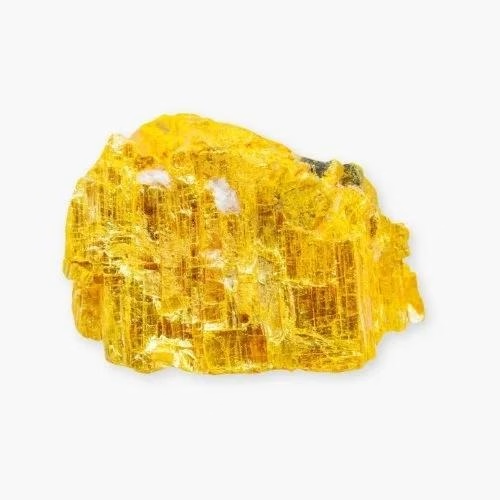
The element forms compounds with sulfur, including realgar and orpiment. These minerals have distinctive colours and have been known since ancient times.
Orpiment is characteristically yellow, while realgar is generally orange-red. Their appearance made them useful as pigments in certain historical settings, although their toxicity creates substantial health concerns.
3. Oxidation States
The most important oxidation states are −3, +3, and +5. The oxidation state indicates the formal distribution of electrons in a compound and helps chemists understand its reactions.
Different oxidation states may dominate under different environmental conditions. For instance, arsenite and arsenate are important inorganic forms found in water and soil. Their relative abundance can affect mobility, treatment methods, and biological uptake.
4. Reaction with Other Elements
This metalloid can form compounds with metals, oxygen, sulfur, and several other elements. Some compounds are naturally occurring minerals, while others are produced for specialised industrial applications.
The properties of these compounds can differ considerably from those of the pure element. Consequently, chemical identification is essential before determining how a particular material should be handled or managed.
Read More: What Is Inorganic Chemistry? 11 Essential Concepts, Types, Reactions & Applications
Where Is Arsenic Found in Nature?
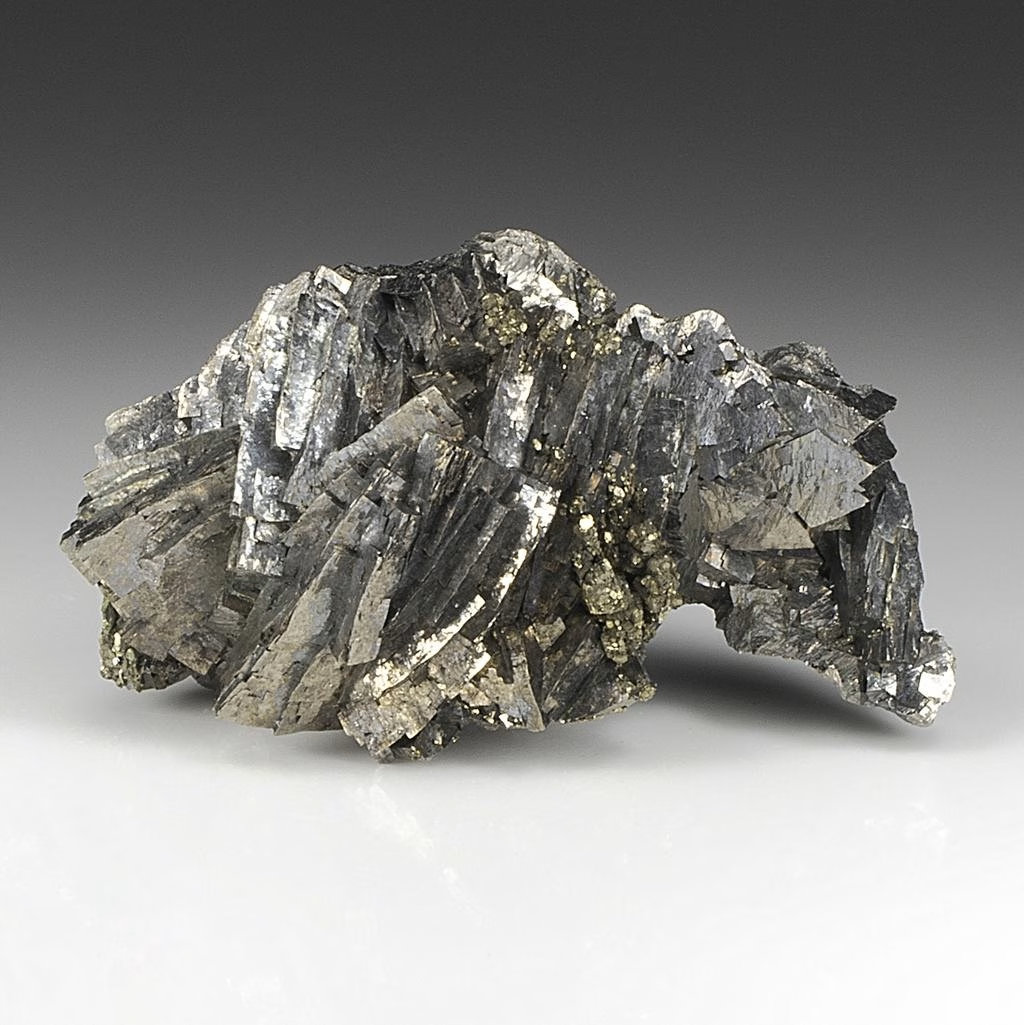
The element is widely distributed throughout the Earth’s crust. It occurs in rocks, minerals, sediments, soil, groundwater, and, in smaller quantities, the atmosphere. Its natural distribution explains why it can enter environmental systems even where industrial activity is limited.
1. Rocks and Minerals
One of the most important minerals containing this element is arsenopyrite, with the chemical formula FeAsS. It is commonly associated with deposits of iron, copper, gold, and other metals.
Other minerals include realgar and orpiment. As rocks weather over long periods, these minerals may release small or substantial quantities of the element into surrounding soil and water, depending on local geological conditions.
2. Soil
Soil naturally contains varying concentrations of many chemical elements. The concentration of this particular element depends on the underlying geology, mineral composition, agricultural practices, and industrial activities.
Some soils retain it strongly, while others allow it to move into water. Changes in acidity, oxygen availability, and the presence of iron minerals can influence its mobility.
3. Groundwater
Groundwater contamination is one of the most significant environmental concerns associated with this element. Under particular geological and chemical conditions, it can dissolve from sediments into underground water supplies.
This process may occur naturally without any direct release from a factory or mine. As a result, a visually clear and pleasant-tasting water source may still contain an unsafe concentration.
4. Plants and Food
Plants can absorb it from soil and irrigation water. The quantity taken up depends on the plant species, the growing environment, the chemical form present, and agricultural conditions.
Rice deserves particular attention because it is often cultivated in flooded soils, where chemical conditions can favour the release of certain forms into water and their uptake by roots. However, contamination levels vary, and the presence of the element does not automatically mean that every crop is unsafe.
Food can also contain naturally occurring forms that differ in toxicity. For example, seafood often contains organic compounds such as arsenobetaine, which is generally much less harmful than inorganic forms.
Read More: What Is Organic Chemistry? 11 Essential Concepts, Types, Reactions & Applications
A Brief History of Arsenic in Ancient and Medieval Times
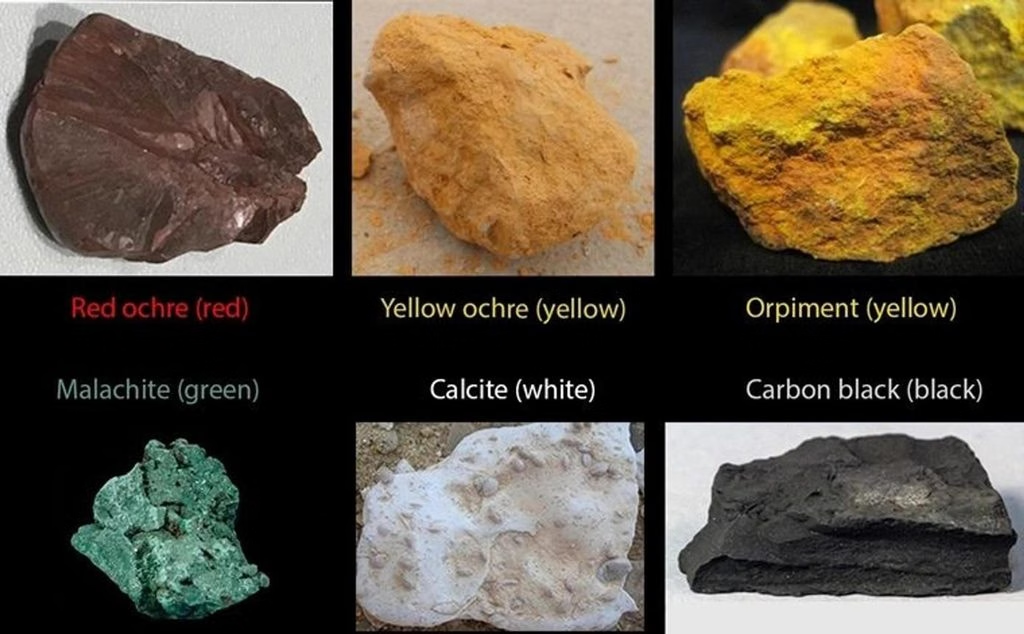


The history of this element extends back thousands of years, long before modern chemistry established the periodic table. Ancient communities encountered its compounds in minerals and used some of them in metalworking, pigments, and medicinal preparations.
Historical evidence indicates that orpiment and realgar were known in the ancient world. Their vivid colours made them useful in some decorative and artistic applications. Certain mineral compounds were also employed in processes involving metals.
In ancient Egypt, arsenic-containing minerals were reportedly used in metalworking and colouring. Greek writers, including Theophrastus, described minerals that modern chemists identify as orpiment and realgar. These early observations reflected practical knowledge of mineral substances rather than a modern understanding of atomic structure.
During the medieval period, scholars and practitioners continued to investigate mineral compounds. Alchemists studied their reactions during heating and processing, sometimes observing changes that later became important to the development of chemistry.
However, historical uses were not limited to craft and scientific experimentation. Poisoning also became associated with certain compounds because their toxic effects could be difficult to recognise without appropriate chemical testing. This reputation became especially prominent in European accounts of the medieval and Renaissance periods.
Despite this dark history, it is important not to reduce the entire story to poisoning. Historical physicians also experimented with preparations containing these compounds, sometimes believing that they could treat particular diseases. Such practices reflected the limited medical knowledge of their time and could expose patients to serious harm.
By the eighteenth and nineteenth centuries, more systematic medical and chemical investigations had begun. Scientists developed improved methods for identifying the element and studying its effects. These developments gradually replaced many speculative explanations with evidence-based toxicology.
Today, historical research helps explain how people learned to recognise hazardous substances, while modern chemistry provides the analytical methods needed to identify them accurately and manage their risks.
Read More: How to Calculate Moles in Chemistry: Formula, Methods, Examples & Tips
Modern Uses of Arsenic
Although its toxicity limits many applications, certain compounds remain useful in carefully controlled industrial, technological, and medical settings. The value of these applications depends on their specific chemical properties and the ability to manage exposure safely.
1. Semiconductor Technology
One of the most important modern applications involves gallium arsenide (GaAs), a compound semiconductor. It is used in certain high-frequency electronic circuits, microwave devices, light-emitting diodes, and laser diodes.
Compared with silicon, gallium arsenide has properties that make it suitable for particular high-speed and optoelectronic applications. It can efficiently interact with light, making it useful in selected telecommunications and sensing technologies.
The semiconductor industry uses controlled quantities of specialised materials. Manufacturing and disposal procedures must prevent workers and the environment from being exposed to hazardous substances.
2. Glass Manufacturing
Certain compounds have been used in specialised glass production to influence colour, clarity, and manufacturing characteristics. Historically, they were sometimes employed to help remove unwanted colour from glass.
Modern manufacturers can use alternative materials and processes in many applications. Where hazardous compounds remain in use, industrial safety requirements are important.
3. Metal Alloys
Small, controlled additions of this element have been used to modify the properties of certain metal alloys. Its role depends on the metal involved and the required characteristics of the finished product.
Such applications are specialised rather than universal. The benefits must be weighed against the hazards associated with production, handling, and waste management.
4. Wood Preservation and Pest Control
Some compounds were historically used in wood preservatives, pesticides, and insecticides. These applications took advantage of their ability to harm unwanted organisms.
However, concerns about human exposure and environmental contamination led to restrictions on many uses. For example, the use of chromated copper arsenate in residential wood treatment has been restricted in the United States for most residential applications since 2004, although certain industrial and commercial uses remain permitted under specific conditions.
Current regulations vary by country and application, so older uses should not be taken as evidence that a product is safe or legally available today.
5. Medical Applications
Despite its toxicity, a carefully selected compound has a recognised role in modern medicine. Arsenic trioxide is used under medical supervision to treat certain patients with acute promyelocytic leukaemia, a specific type of blood cancer.
This treatment illustrates an important principle in pharmacology: a substance that can be toxic may also have a therapeutic role when its effects, dose, and administration are carefully controlled.
This does not mean that other compounds are safe to use as medicines. Medical treatment involving such substances requires qualified healthcare professionals, appropriate monitoring, and carefully established protocols.
Read More: The Powerful Role of Conjugate Acid-Base Pairs in Chemistry
Why Is Arsenic Toxic?
The toxicity of this element depends strongly on its chemical form, the amount absorbed, and the duration of exposure. Inorganic compounds are of particular concern because they can interfere with essential biochemical processes in the body.
Some forms disrupt enzymes involved in energy production and cellular metabolism. Others contribute to oxidative stress and changes in cellular signalling. These effects can damage tissues and interfere with normal organ function.
Exposure may be acute, occurring over a short period, or chronic, developing through repeated exposure over months or years.
Acute Exposure
A sufficiently large exposure to a highly toxic soluble inorganic compound can cause severe illness. Symptoms may include vomiting, abdominal pain, diarrhoea, weakness, and disturbances affecting the cardiovascular or nervous systems.
Severe poisoning is a medical emergency. Suspected exposure requires immediate contact with emergency medical services or a poison-control service where available. No home remedy should be used as a substitute for professional care.
Chronic Exposure
Long-term exposure to elevated concentrations can gradually damage the body. The effects may take years to become apparent, particularly when exposure occurs through contaminated drinking water.
Possible consequences include changes in skin pigmentation, thickened skin on the palms and soles, nerve damage, cardiovascular disease, and an increased risk of certain cancers.
The severity of these effects depends on exposure level, duration, individual susceptibility, and other environmental or lifestyle factors.
Read More: A Beginner’s guide to the Periodic Table: Importance, Application, present days and history
Health Effects of Long-Term Exposure
The health consequences are a major reason scientists monitor environmental contamination and establish drinking-water standards.
1. Skin Changes
Changes in skin pigmentation and abnormal thickening of the skin are among the characteristic signs of prolonged exposure to inorganic compounds. These changes may develop gradually and should be evaluated by a qualified healthcare professional.
2. Increased Cancer Risk
Long-term exposure to inorganic forms is associated with cancers of the skin, lungs, and urinary bladder. The International Agency for Research on Cancer classifies inorganic compounds of this element as carcinogenic to humans.
Reducing exposure is therefore an important public health priority, particularly in communities that depend on contaminated groundwater.
3. Cardiovascular Effects
Research has linked prolonged exposure to elevated concentrations with cardiovascular disease. The precise risks depend on exposure and individual circumstances, but avoiding contaminated drinking water remains a practical and important preventive measure.
4. Effects on the Nervous System
Exposure can affect the nervous system, potentially contributing to numbness, tingling, weakness, or other neurological problems. Developmental exposure during pregnancy and early childhood is also a concern because it has been associated with adverse effects on cognitive development.
5. Other Health Effects
Evidence also links chronic exposure with diabetes and certain adverse pregnancy outcomes. These associations are studied alongside other potential causes, and the likelihood of harm depends on the level and duration of exposure.
The most effective approach is prevention rather than waiting for symptoms to appear. People may be exposed for long periods before recognising that their water supply is contaminated.
Read More: Is AP Chemistry Hard? 7 Encouraging Facts That Make It Easier to Master
Arsenic Contamination in Drinking Water
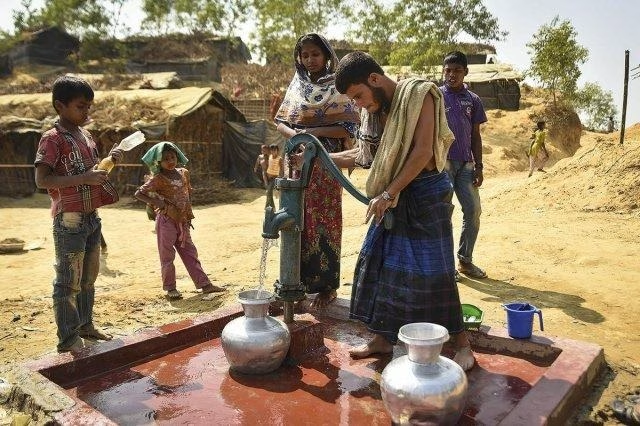
Groundwater contamination is a particularly serious issue in South Asia, including Bangladesh. Naturally occurring geological processes can release the element from sediments into underground water. As a result, contamination may affect communities that rely on tube wells for drinking, cooking, and irrigation.
The World Health Organization (WHO) identifies contaminated drinking water as a major source of harmful exposure. It recommends a provisional guideline value of 10 micrograms per litre (10 µg/L) for drinking water. This is a guideline for managing risk, not a claim that every concentration below it is completely risk-free.
Why Is Bangladesh Affected?
Bangladesh has extensive groundwater resources, and tube wells have long provided an important source of drinking water. However, naturally occurring contamination has affected many groundwater sources.
The problem became widely recognised after investigations revealed that some tube wells contained elevated concentrations. Although groundwater had been promoted as an alternative to microbiologically contaminated surface water, not all wells had been tested for chemical contaminants.
This experience demonstrates why drinking-water safety requires testing for both biological and chemical hazards. Water that looks clean may contain dissolved substances that cannot be detected by sight, smell, or taste.
How Can Contamination Be Reduced?
Several measures can help reduce exposure:
- Test drinking water: Use appropriate laboratory testing or reliable screening methods to identify contaminated sources.
- Use a verified safe supply: Where contamination is detected, choose an alternative source that has been confirmed to be safe.
- Install suitable treatment: Approved systems may use adsorption, coagulation, filtration, or other processes designed to remove the contaminant.
- Maintain treatment equipment: Follow the manufacturer’s instructions and arrange appropriate testing to confirm that the system continues to work.
- Raise community awareness: Share reliable information about contaminated wells, safe alternatives, and the importance of retesting.
Treatment systems must be selected according to local water chemistry and contamination levels. Removed contaminants must also be disposed of appropriately so that they do not return to the environment.
Read More: What Is an Ideal Gas? 10 Remarkable Comprehensive Insights
Environmental Effects
Environmental contamination can affect more than human health. Once released into soil or water, the element may move between sediments, groundwater, plants, and other parts of an ecosystem.
Its behaviour depends on factors such as acidity, oxygen availability, mineral composition, and the presence of iron compounds. In some conditions, it binds strongly to soil particles. Under other conditions, it becomes more mobile and can enter groundwater or be absorbed by plants.
Effects on Plants
Plants may absorb inorganic forms through their roots. At sufficiently high concentrations, exposure can interfere with normal growth and development.
Agricultural contamination is particularly important because crops can provide a route through which environmental contaminants enter the human diet. Managing irrigation water and monitoring affected soils can therefore help reduce exposure.
Effects on Aquatic Ecosystems
Elevated concentrations can affect aquatic organisms, although the severity depends on the chemical form, concentration, and species involved. Contaminated water may also transport the element between ecosystems.
Mining operations and industrial discharges can increase environmental concentrations if waste is not properly managed. Effective monitoring and appropriate waste treatment are essential for limiting these risks.
Read More: What is Organic Chemistry? 10 Fascinating and Powerful Insights into Carbon-Based Science
How Is Arsenic Detected?
Because contamination may not produce any visible change in water, reliable analysis is necessary to determine its concentration.
Laboratories use analytical techniques such as inductively coupled plasma mass spectrometry (ICP-MS) and atomic absorption spectroscopy. These methods can measure low concentrations and, with suitable procedures, help distinguish different chemical forms.
For drinking water, results are commonly reported in micrograms per litre (µg/L). One microgram is one-millionth of a gram.
A useful distinction is that measuring the total concentration does not always reveal which chemical forms are present. Speciation analysis may be required when the relative proportions of inorganic and organic compounds matter for risk assessment.
Testing should be performed by a qualified laboratory or through an appropriate validated programme. Appearance alone is not a reliable indicator of safety.
Read More: What is a Base in Chemistry: 15 Fascinating Insights That Make This a Powerful Guide
Safety Measures and Prevention
Preventing exposure is more effective than relying on treatment after harmful effects develop. Practical safety measures depend on whether the potential source is drinking water, industrial work, contaminated soil, or a specialised chemical product.
- Avoid drinking water from sources known or suspected to be contaminated.
- Do not assume that boiling water removes dissolved contaminants; ordinary boiling does not remove this element and can increase its concentration as water evaporates.
- Use treatment systems specifically designed and verified for the relevant contamination.
- Follow occupational safety procedures when handling materials that contain hazardous compounds.
- Keep industrial chemicals in properly labelled, secure containers and follow applicable disposal requirements.
- Seek professional medical advice if exposure is suspected.
People should not attempt to prepare medicinal products from mineral compounds or use historical remedies containing them. Modern medical applications involve specific pharmaceutical preparations and professional supervision.
Read More: What Is a Mole in Chemistry? 6 Mind-Blowing Facts & Easy Calculations
Frequently Asked Questions (FAQ)
1. What is arsenic in simple terms?
Arsenic is a naturally occurring chemical element with the symbol As and atomic number 33. It is classified as a metalloid and is found in rocks, minerals, soil, and water. Certain compounds are highly toxic, especially when exposure to inorganic forms occurs over a long period.
2. Is arsenic a metal or a non-metal?
It is generally classified as a metalloid because it has characteristics associated with both metals and non-metals. Its common grey form has a metallic lustre but is brittle.
3. What is the chemical symbol for arsenic?
Its chemical symbol is As, and its atomic number is 33. Its relative atomic mass is approximately 74.92.
4. Where is arsenic commonly found?
It occurs naturally in the Earth’s crust, particularly in certain minerals and geological deposits. It may also be present in soil, groundwater, air, and food. Elevated groundwater concentrations can create serious public health concerns.
5. Why is arsenic dangerous to humans?
Certain forms, particularly inorganic compounds, can interfere with cellular processes and damage organs. Long-term exposure is associated with skin changes, cardiovascular problems, and several types of cancer. The risk depends on the chemical form, concentration, and duration of exposure.
6. Was arsenic used in ancient and medieval times?
Yes. Its compounds were used in some historical applications involving pigments, metalworking, and medicinal preparations. They also became notorious for poisoning. Modern chemical knowledge has made it possible to identify these substances more accurately and understand their hazards.
7. Does arsenic have any beneficial uses today?
Yes. Gallium arsenide is used in specialised semiconductor devices, and arsenic trioxide is an established medicine for certain cases of acute promyelocytic leukaemia. These applications require appropriate industrial controls or strict medical supervision.
8. What is the safe limit of arsenic in drinking water?
The WHO provisional guideline value is 10 µg/L. National standards may differ, and concentrations should be kept as low as reasonably achievable. Testing is necessary because contamination cannot reliably be identified through taste, colour, or smell.
9. Can boiling water remove arsenic?
No. Ordinary boiling does not remove dissolved contaminants of this kind. As water evaporates, their concentration may increase. A suitable treatment method or a verified safe water source is needed.
10. What is the difference between organic and inorganic arsenic?
Organic compounds contain carbon bonded within their molecular structures, whereas inorganic compounds do not contain carbon as part of that structure. Many organic forms found in seafood, such as arsenobetaine, are less harmful than inorganic forms. However, toxicity varies among individual compounds, so the distinction should not be interpreted as meaning that every organic compound is harmless.
Conclusion
Arsenic is a naturally occurring metalloid with a complex chemical identity and a long history of human use. Its properties have made certain compounds useful in specialised technologies, industrial materials, and modern medicine. At the same time, the toxicity of many inorganic compounds makes environmental contamination a serious concern.
Understanding its atomic structure, physical and chemical properties, natural occurrence, and historical applications helps explain why the element occupies an unusual position in science. Its presence in groundwater also demonstrates that natural substances can pose substantial health risks when their concentrations become elevated.
The most important lesson is that chemical substances must be evaluated according to their specific forms, concentrations, and uses. Through reliable water testing, suitable treatment, responsible industrial practices, and evidence-based medical care, the risks associated with this element can be reduced while its carefully controlled applications continue to serve useful purposes.